
A slow drain does not seem like a big deal at first. Water is still going down, just a little slower than usual. You might notice it in the sink while brushing your teeth or in the shower when water starts pooling around your feet. It is easy to ignore. Maybe you think it will fix itself. Maybe you plan to deal with it later. But here is the problem. A slow drain is often the first sign that something bigger is building inside your pipes.
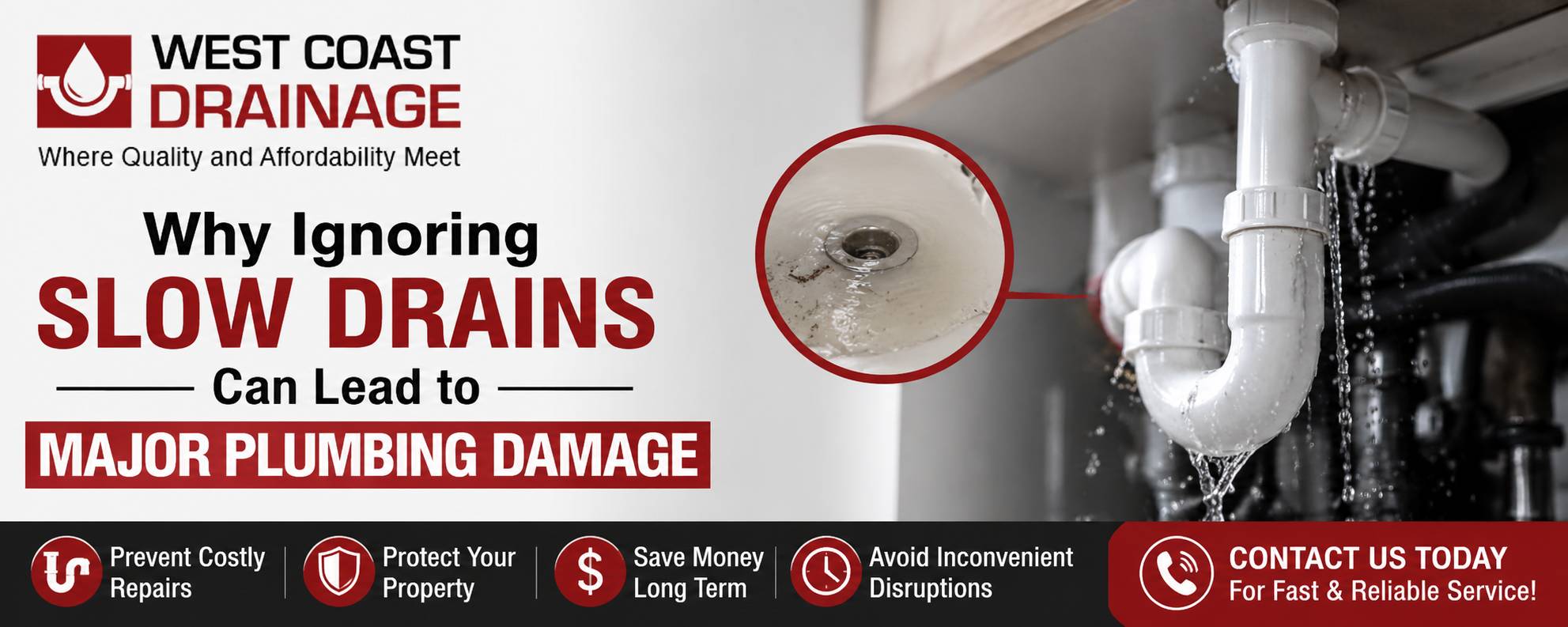
Water does not slow down for no reason. When a drain starts moving more slowly, it usually means something is blocking the flow. At first, the blockage is small. But over time, more material sticks to it. The opening inside the pipe narrows, making it harder for water to pass through. That is when you start to notice the slowdown. Ignoring it does not make it go away. It gives it time to grow.
This is where things can quickly escalate. A slow drain today can easily become a completely blocked pipe tomorrow. Once the blockage builds up enough, water cannot pass through at all. That is when sinks stop draining, showers fill up, and toilets may even start backing up.
At that point, the problem is no longer minor.
Here is something most people do not think about. When water cannot flow freely, it creates pressure inside your pipes, pushing against the walls of your plumbing system. Over time, this can weaken joints, cause small leaks, or even lead to cracks in the pipes. You might not see the damage right away. But behind the walls or under the floor, things can slowly get worse.
Have you ever noticed an unpleasant smell coming from your drain? That is not something to ignore. When debris builds up in your pipes, it starts to break down. This can create odours that rise back up through your drains. It is not just about the smell itself. It is a sign that something is sitting in your pipes longer than it should be. A properly working drain should move water and waste away quickly. When it does not, problems start to build.
Slow drains might seem like a small inconvenience, but they start to affect your daily life more than you expect. You spend more time waiting for the water to go down. Showers become less comfortable. Sinks become harder to use during busy times. It adds up. What was once a quick task becomes frustrating, and your home no longer feels as functional as it should.
The biggest reason to deal with slow drains early is simple. It’s easier. A small blockage can often be cleared quickly by a professional. It does not require major work, and it can prevent larger issues from developing. But if you wait, the problem grows. More buildup, more pressure, more risk of damage. By the time it is fully blocked or causing leaks, the repair becomes more complex and more expensive. Taking action early helps you avoid all of that.
Attempting to fix a slow drain yourself, without knowing the cause, can actually make the situation worse. Leave it to the pros who can assess and address the issue and prevent it from coming back. A professional approach considers the entire system. It identifies where the problem is and clears it properly. That way, you are not just fixing the symptom. You are dealing with the cause.
When it comes to slow drains, the first step is not to ignore them. As a trusted drainage repair company, West Coast Drainage helps homeowners tackle slow drains and resolve underlying issues before they turn into costly plumbing problems. Our experienced team uses effective solutions to restore proper drainage, prevent further damage, and keep your plumbing system functioning efficiently. Whether it’s a minor blockage or a more complex drainage issue, we’re here to ensure your drains flow properly and your property remains protected.
1. What causes a drain to become slow?
Slow drains are commonly caused by the buildup of grease, soap scum, hair, food particles, mineral deposits, or debris inside the pipes. Over time, these materials restrict water flow and can eventually lead to complete blockages if not addressed promptly.
2. Can a slow drain lead to serious plumbing problems?
Yes. Ignoring a slow drain can result in clogged pipes, water backups, pipe corrosion, leaks, and even sewer line issues. What starts as a minor inconvenience can quickly become an expensive plumbing repair.
3. How do I know if my slow drain requires professional attention?
If multiple drains in your home are slow, you notice foul odors, hear gurgling sounds, or experience recurring clogs despite using basic cleaning methods, it’s time to contact a professional drainage repair company for an inspection.
4. Are chemical drain cleaners a good solution for slow drains?
Chemical drain cleaners may provide temporary relief, but they can also damage pipes when used repeatedly. Professional drain cleaning is a safer and more effective way to remove blockages and protect your plumbing system.
5. How can I prevent slow drains in the future?
Regular maintenance, avoiding pouring grease down sinks, using drain screens, and scheduling professional drain inspections can help prevent slow drains. Taking proactive measures can extend the life of your plumbing system and reduce the risk of costly repairs.

